
In 2026, rising tax burdens across familiar jurisdictions are pushing businesses to look for new production sites. In Russia, tax amendments took effect on January 1, 2026, raising the standard value-added tax (VAT) rate from 20% to 22%. The change compresses margins and drives capital toward jurisdictions with lighter fiscal regimes and access to regional markets.
Against this backdrop, Kyrgyzstan's macroeconomic indicators are running on the upside. GDP rose 11.1% in 2025 to over 1.9 trillion KGS, around $22.6 billion. The industrial sector is the main driver, with output expanding in food processing, chemicals and mining.
Unified tax as an alternative to the standard regime
To reduce the fiscal burden, Kyrgyzstan offers special tax regimes. In place of the standard 12% VAT and 10% corporate profit tax, companies can apply the unified tax regime at 2–6% of turnover, depending on activity type and settlement form. Revenue caps for entering the regime were removed in August 2025 (Law No. 185). The regime is not available to banks, insurance companies, investment funds, professional securities-market participants, excise taxpayers and mining enterprises. Combined with lower property and land tax rates, the unified tax frees up working capital for qualifying companies.
Fixed electricity tariffs
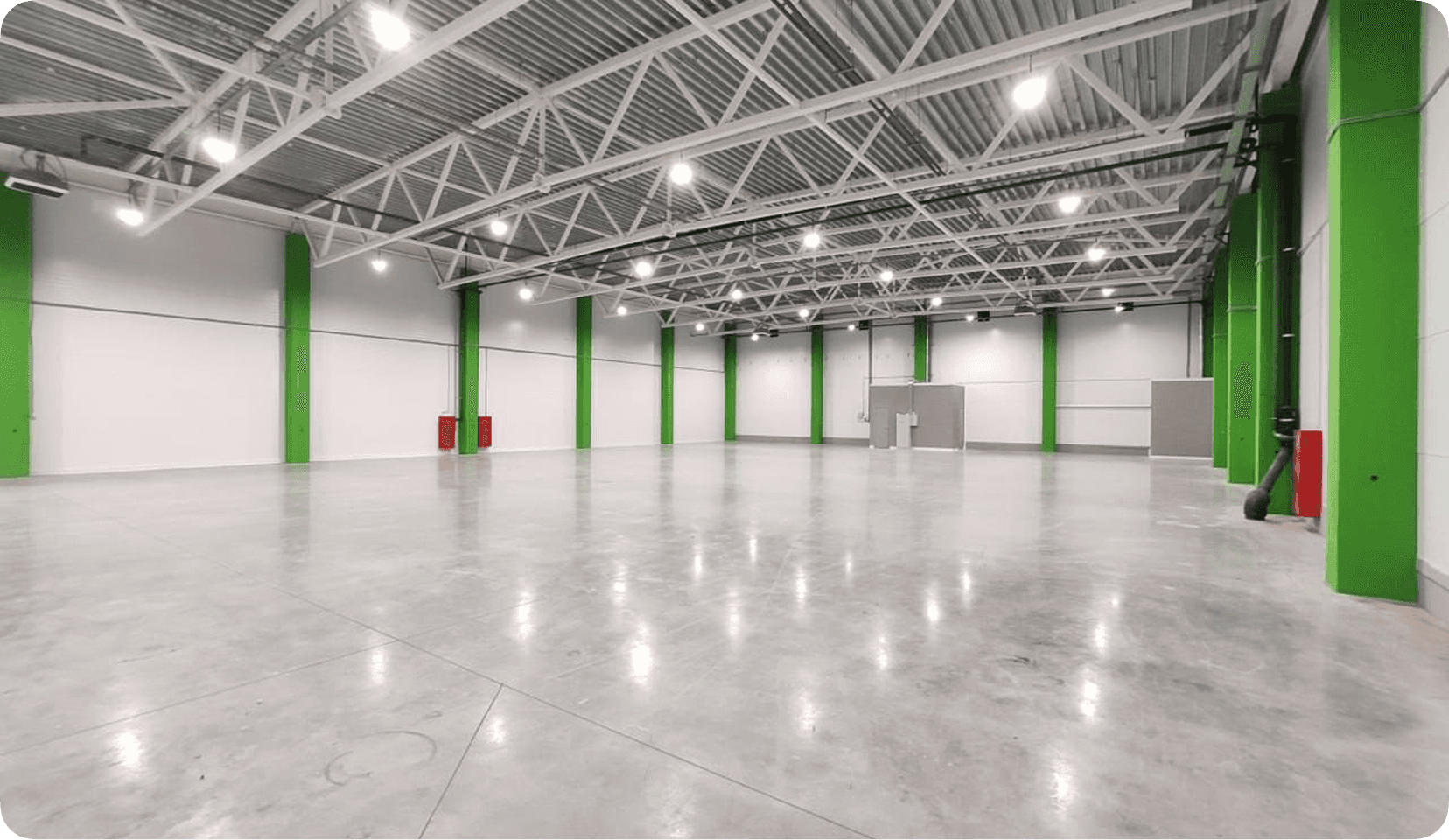
For energy-intensive operations, infrastructure costs are a primary input. Under the government's Medium-Term Tariff Policy for 2025–2030, tariffs for non-household consumers are indexed annually. From May 1, 2026, the commercial electricity tariff stands at 4.33 KGS per kWh; the industrial tariff is 3.65 KGS. At May 2026 exchange rates, that works out to 3.64 and 3.07 RUB respectively — two to three times below average industrial rates in Russia, where mid-sized industrial consumers pay 7–10 RUB per kWh in 2026.
Tying tariff indexation to official inflation lets CFOs and investors lock energy costs into 10–15 year payback models. The point is sharpened by the accelerated rise in electricity transmission tariffs in Russia.
Investment stabilization regime and capital protection
The Law of the Kyrgyz Republic On Investments in the Kyrgyz Republic No. 198 of August 12, 2025, which replaced the 2003 law, sets out the framework for protecting foreign capital. An investor qualifies for the stabilization regime by contributing to the capital of the invested enterprise, within three years, a sum in KGS equivalent to at least $3 million at the National Bank of the Kyrgyz Republic rate on the date the stabilization agreement is signed. For subsoil-use projects, the threshold is $20 million with a five-year investment horizon. From the date of signing, the tax and non-tax payments regime is fixed for 10 years. The mechanism is asymmetric: if tax legislation tightens, the investor continues under the conditions in force on the signing date; if more favorable conditions take effect, the investor has the right to switch to them. Investments from $10 million qualify for an individual investment agreement concluded directly with the Cabinet of Ministers.
The law also provides for free currency conversion and repatriation of capital, including dividends, loan interest and royalties. Law No. 198 introduced a multi-tier mechanism for resolving investment disputes: parties go through negotiation, mediation and domestic courts before international arbitration; direct access to arbitration is preserved where a valid arbitration clause exists in an international treaty or investment agreement.
Central Asia Capital in the private equity market
Central Asia Capital, a private equity fund, is a strategic partner for businesses entering the Kyrgyz market. The fund co-invests in projects, shares risk with partners and provides operational infrastructure for working across the Eurasian Economic Union (EAEU).
The fund's current portfolio includes projects at various stages of structuring:
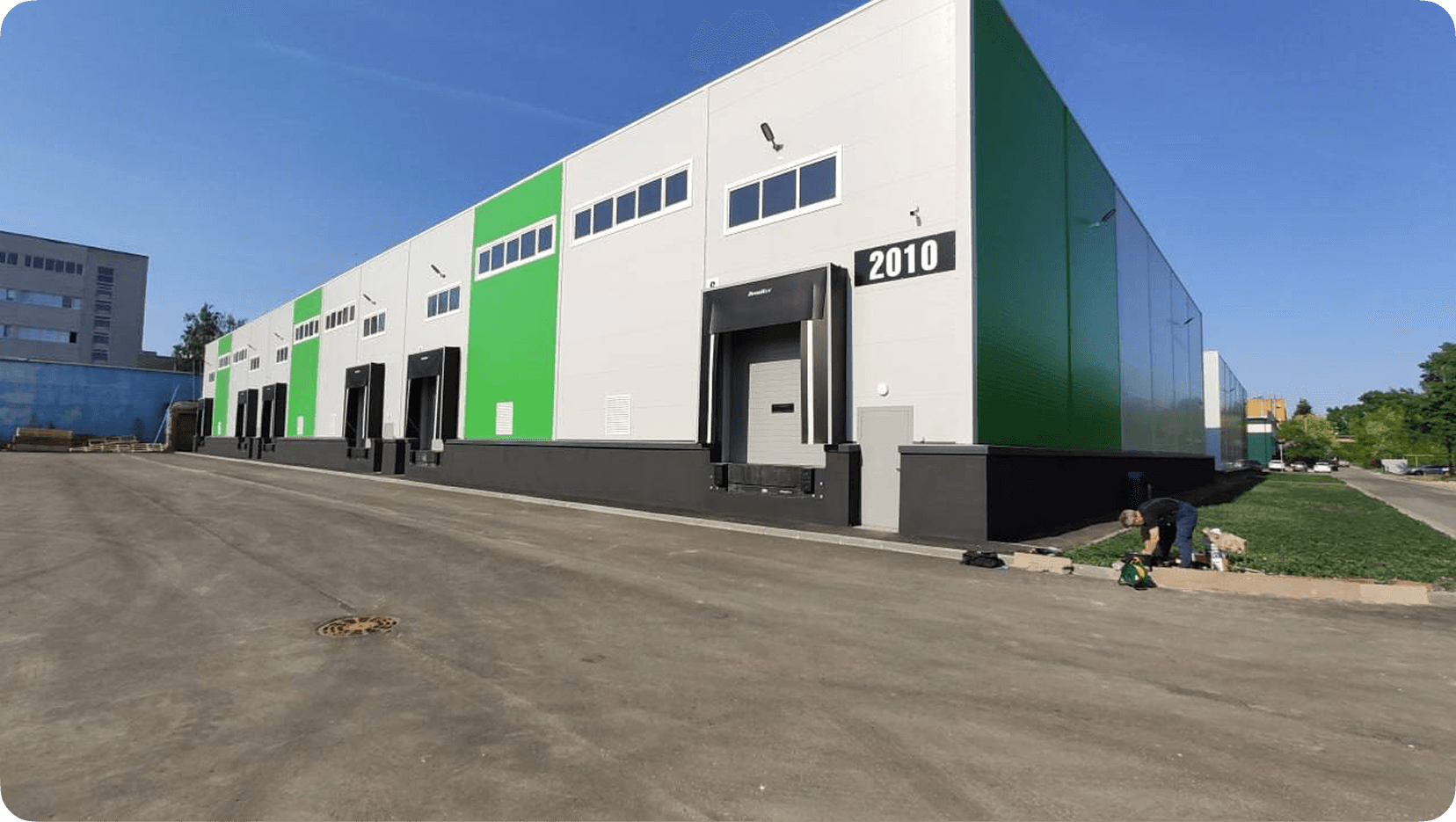
Industrial parks. Design and land preparation for the Central Asia Hub production cluster near Bishkek.
Automotive. Preparation to launch a semi-knocked-down vehicle assembly plant under the national brand "Muras," drawing on the technology base of foreign partners.
Leasing. Leasing.Express is the largest leasing company in Kyrgyzstan with a 51.3% share of the passenger-car leasing market. Its leasing portfolio exceeds 2.16 billion KGS; the company has operated since 2019 and approves up to 98% of applications.
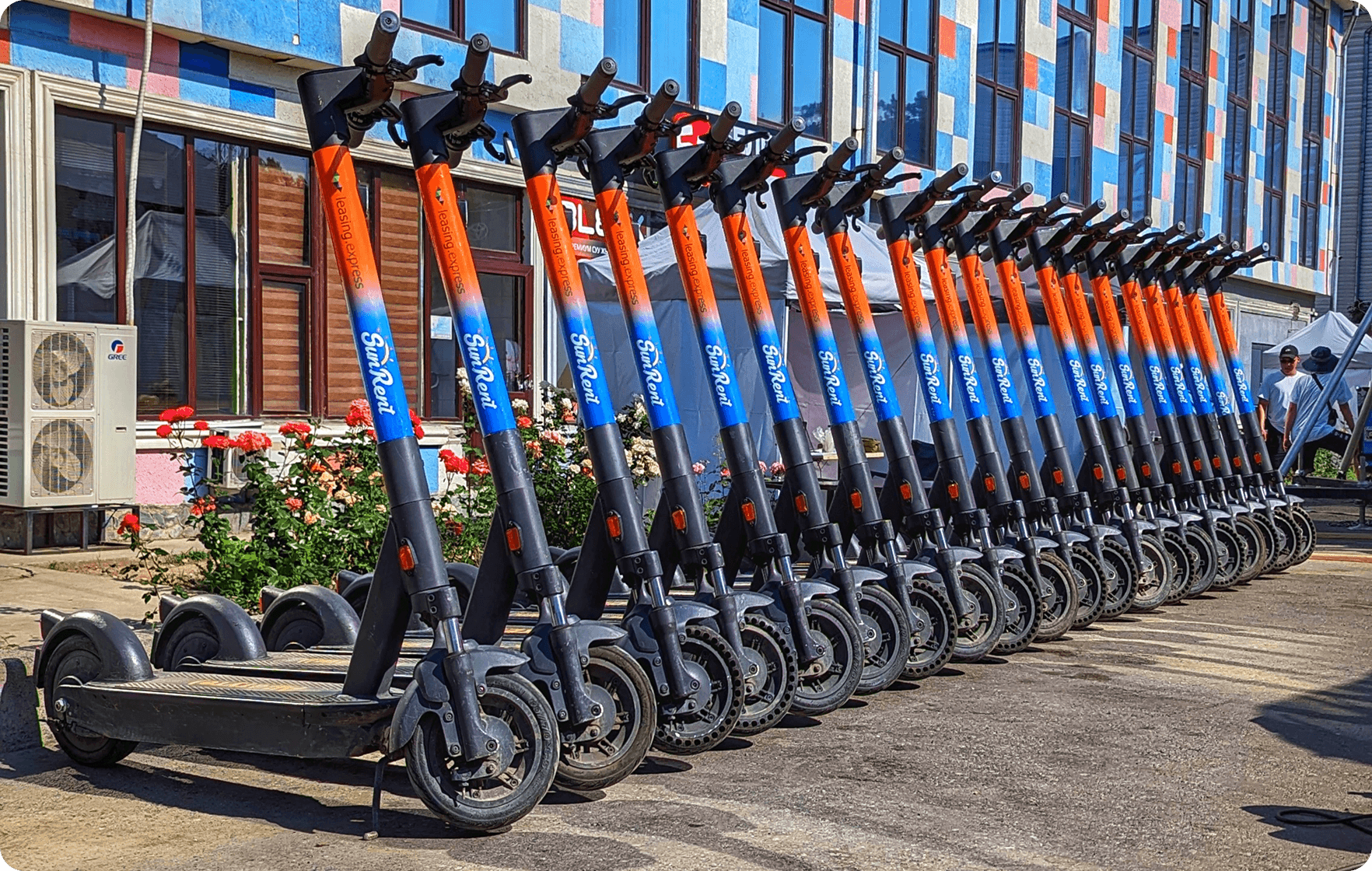
Micromobility. Kicksharing Central Asia, together with Yandex Go, holds around 90% of Kyrgyzstan's kicksharing market. The company runs a multi-service model: its own SunRent scooter-sharing service, a partner service within Yandex Go, the "Beri Zaryad" powerbank network and e-bike rentals.
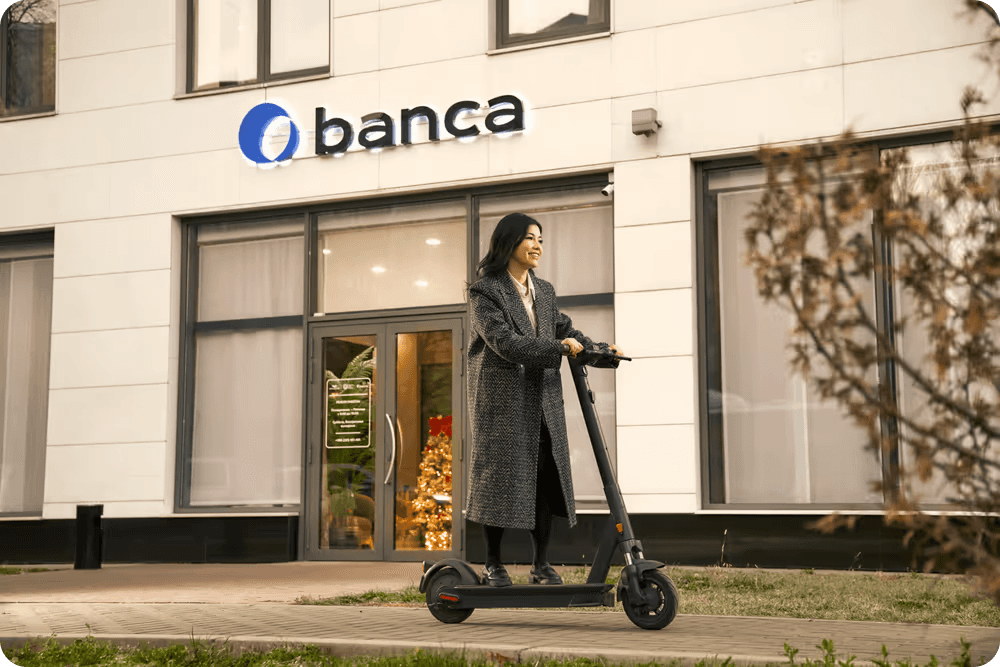
Capital markets. The brokerage firm Banca (State Financial Supervision license No. 0061) offers retail and institutional investment instruments in B2C and B2B formats and supports local companies going public through IPOs. Banca is also a shareholder of the Kyrgyz Stock Exchange and participates in developing capital-market infrastructure.
To supply portfolio companies with qualified management, the fund partnered with RANEPA to open the Higher Business School of Central Asia. The region's first MBA program launched there in October 2025.
This is the foundation Central Asia Capital builds for partners integrating into the regional economy and scaling into the unified Eurasian market.
See also
Other news
All news